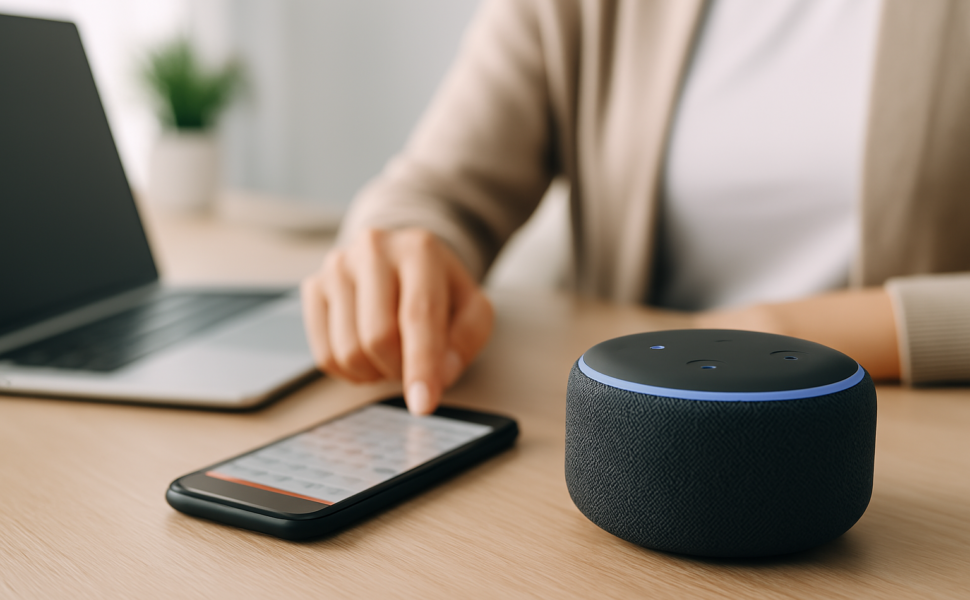



Business doesn’t stop when your office lights go out. Customers expect support and service whenever they need it—not just during your standard 9-to-5 operating hours. This fundamental shift in consumer expectations has made after-hours support transition from a luxury differentiator to an essential business requirement.
The New 24/7 Reality: Why After-Hours Support Matters
The days when businesses could afford to be unavailable outside office hours are rapidly disappearing. Here’s why providing support beyond traditional business hours has become critical for companies of all sizes:
Customer Expectations Have Evolved
Modern consumers live in an always-on world. They shop online at midnight, research products during weekend hours, and expect to resolve issues when they arise—not when it’s convenient for the business. Research shows that 51% of customers expect businesses to be available 24/7, and 75% consider quick response times to be the most important element of customer service.
When customers encounter problems outside business hours, being met with “We’ll get back to you on Monday” can significantly damage their perception of your brand and often leads to abandoned purchases or canceled services.
Global Business Knows No Time Zones
Even small businesses now reach customers across different time zones and international borders. When your California-based business is closing for the day, customers in Asia are just starting their workday. Without after-hours support, you’re effectively closed to a significant portion of your global market during their prime business hours.
This global reality means that the traditional concept of “business hours” has become increasingly obsolete. For businesses with international aspirations, after-hours support isn’t optional—it’s essential for serving customers wherever and whenever they engage with your brand.
Critical Issues Don’t Follow a Schedule
Many customer issues arise outside standard hours, particularly for services related to:
- Healthcare and emergency services
- Technology and software
- Financial services
- Travel and hospitality
- Utilities and home services
When a patient needs urgent medical advice at 2 AM, a traveler misses a connecting flight on a Sunday, or a software system crashes during a weekend project deadline, waiting until Monday morning isn’t an acceptable option. These moments often represent critical touchpoints in the customer relationship—addressing them promptly can transform a potential crisis into an opportunity to build lasting loyalty.
The Competitive Advantage
In industries where after-hours support isn’t yet standard, being available 24/7 creates a significant competitive advantage. When comparing similar products or services, customers often choose the provider who offers more accessible support. In fact, studies show that 68% of customers are willing to pay more for products and services from companies known for good customer service.
This advantage extends beyond just servicing existing customers—it becomes a powerful marketing message that attracts new business from competitors who leave their customers waiting for help.
The Traditional Challenges of After-Hours Support
Despite its clear importance, many businesses have historically struggled to implement effective after-hours support due to several significant challenges:
Prohibitive Labor Costs
Staffing a traditional call center around the clock typically requires three full shifts of employees, dramatically increasing labor costs. For smaller businesses, the economics simply haven’t made sense—the cost of night and weekend staff often outweighs the perceived benefits.
Additionally, night shifts and weekend work typically command premium pay rates, further increasing the financial burden of maintaining 24/7 human support teams.
Staffing and Management Complexity
Finding qualified staff willing to work overnight or weekend shifts presents significant recruitment challenges. These non-standard shifts often experience higher turnover rates, creating continuous training and quality control issues.
Managing a round-the-clock operation also requires additional supervisory staff and creates complex scheduling challenges, particularly around holidays and peak seasons.
Inconsistent Support Quality
Even when businesses manage to staff after-hours support, maintaining consistent quality across all shifts is notoriously difficult. Night and weekend shifts often receive less oversight, less training, and have access to fewer resources than day shifts.
This inconsistency creates a frustrating experience for customers who may receive excellent support during business hours but encounter less knowledgeable or empowered representatives during off-hours.
How AI Voice Assistants Transform After-Hours Support
The emergence of sophisticated AI voice assistants has fundamentally changed the after-hours support equation. What was once economically unfeasible for many businesses has become not only accessible but often superior to traditional staffing models.
Cost-Effective 24/7 Coverage
AI voice assistants eliminate the financial barriers that previously made round-the-clock support prohibitive. Unlike human agents who require hourly wages, benefits, and overtime pay, AI systems:
- Operate at the same cost regardless of time of day or day of week
- Scale instantly to handle volume fluctuations without additional costs
- Eliminate expenses related to office space, equipment, and management for night shifts
- Require one-time setup and ongoing maintenance rather than perpetual labor costs
This dramatic cost reduction makes comprehensive after-hours support financially viable even for small and medium-sized businesses with limited resources.
Consistent Quality at All Hours
One of the most significant advantages of AI support systems is their consistency. Unlike human teams that may vary in knowledge and performance across different shifts, AI assistants:
- Deliver identical service quality at 3 PM or 3 AM
- Access the same complete knowledge base regardless of time or day
- Maintain the same response times and service standards around the clock
- Never show signs of fatigue, frustration, or impatience
This consistency ensures that customers receive the same high-quality experience regardless of when they reach out for assistance.
Multilingual Capabilities
Modern AI voice assistants can communicate fluently in multiple languages, removing another barrier to global after-hours support. Rather than hiring multilingual staff for each shift—a challenging and expensive proposition—businesses can deploy AI systems that:
- Support dozens of languages and regional dialects
- Switch between languages seamlessly during conversations
- Understand accents and regional variations
- Maintain cultural sensitivity across different customer segments
This capability is particularly valuable for businesses with international customers or those operating in multilingual regions.
Intelligent Triage and Escalation
Not all after-hours issues require immediate human intervention. Advanced AI systems excel at triaging customer inquiries, resolving what they can immediately and properly escalating what they can’t:
- Handle routine inquiries, order processing, and information requests completely independently
- Identify truly urgent issues that require human attention
- Connect customers with on-call staff when necessary
- Schedule follow-ups for non-urgent matters during business hours
- Collect relevant information before any escalation to make human intervention more efficient
This intelligent filtering ensures that human resources are focused only where they add the most value, while routine matters are handled efficiently by the AI system.
Real-World Applications: After-Hours AI in Action
A regional healthcare network implemented an AI voice assistant to handle after-hours patient calls. The system now:
- Answers questions about clinic hours, services, and locations
- Helps patients reschedule appointments outside business hours
- Provides medication refill procedures and connects to on-call pharmacists when necessary
- Triages symptoms and directs true emergencies to appropriate care
- Schedules follow-up calls with nurses for non-urgent medical questions
The result: Emergency room visits for non-emergency issues decreased by 23%, while patient satisfaction with after-hours service increased by 42%.
Financial Services: 24/7 Account Support
A credit union deployed AI voice support to provide round-the-clock service for their members. Their system:
- Processes routine transactions like balance inquiries and recent transaction information
- Handles card activation and temporary card freezes
- Assists with password resets and online banking access issues
- Provides information about loan products and application processes
- Immediately connects members to security personnel for suspected fraud
Since implementation, the credit union has seen a 28% reduction in call abandonment rates during weekends and a significant increase in member satisfaction scores.
E-commerce: Never Missing a Sale
An online retailer implemented after-hours AI support to address the significant number of sales being lost during non-business hours. Their AI assistant now:
- Answers product questions and provides detailed specifications
- Assists with checkout issues and payment processing
- Helps customers track orders and manage returns
- Makes product recommendations based on customer preferences
- Processes complete orders from inquiry through purchase
The company reports that 31% of their total sales now occur outside traditional business hours—revenue that would have been largely lost without their AI assistant.
Implementing After-Hours AI Support: Best Practices
While AI makes after-hours support accessible, successful implementation requires thoughtful planning and execution:
Start with Clear Use Cases
Begin by identifying the most common after-hours inquiries and issues your customers face. Analyze your current support data to determine:
- Which issues arise most frequently outside business hours
- What percentage of after-hours inquiries could be resolved without human intervention
- Which issues genuinely require immediate human attention
- Where customers express the most frustration with current after-hours limitations
This analysis will help you design an AI system that addresses your specific after-hours support needs rather than implementing a generic solution.
Create Clear Escalation Paths
Even the most advanced AI systems will encounter scenarios they can’t handle independently. Developing clear escalation protocols ensures that customers receive appropriate assistance when needed:
- Define specifically which issues should trigger human escalation
- Establish a rotating on-call system for critical after-hours support
- Create processes for scheduling next-business-day follow-ups
- Implement emergency protocols for truly urgent situations
The goal is not to eliminate human support entirely but to deploy it strategically where it adds the most value.
Integrate with Existing Systems
For maximum effectiveness, your AI voice assistant should integrate seamlessly with your:
- Customer relationship management (CRM) system
- Order management and inventory platforms
- Knowledge bases and product information
- Ticketing and case management tools
- Human support channels for smooth handoffs
These integrations ensure the AI has access to all relevant customer and business information, enabling it to provide accurate, personalized support.
Continuously Improve Through Analysis
One of the greatest advantages of AI systems is their ability to learn and improve over time. Implement regular review processes to:
- Analyze conversations where customers abandoned the AI interaction
- Identify common questions the system struggled to answer
- Review customer feedback about the AI experience
- Monitor resolution rates and satisfaction scores
- Update the system’s knowledge and capabilities based on these insights
This continuous improvement cycle ensures your after-hours support becomes increasingly effective over time.
Conclusion: After-Hours Support as a Competitive Necessity
The question for modern businesses is no longer whether to offer after-hours support but how to implement it most effectively. As customer expectations continue to evolve toward round-the-clock service and accessibility, businesses that fail to adapt risk losing market share to more responsive competitors.
AI voice assistants have fundamentally changed the economics and feasibility of after-hours support, making 24/7 availability accessible to businesses of all sizes. Rather than a luxury reserved for enterprise organizations with massive support budgets, comprehensive after-hours support has become an attainable standard for forward-thinking companies.
The businesses that will thrive in the coming years are those that recognize after-hours support not as an optional expense but as an essential investment in customer satisfaction and competitive differentiation. With AI voice technology, that investment has never been more accessible or more likely to deliver measurable returns in customer loyalty, operational efficiency, and business growth.
As you consider your customer support strategy, remember that in today’s always-on world, being available when your customers need you isn’t just good service—it’s good business.