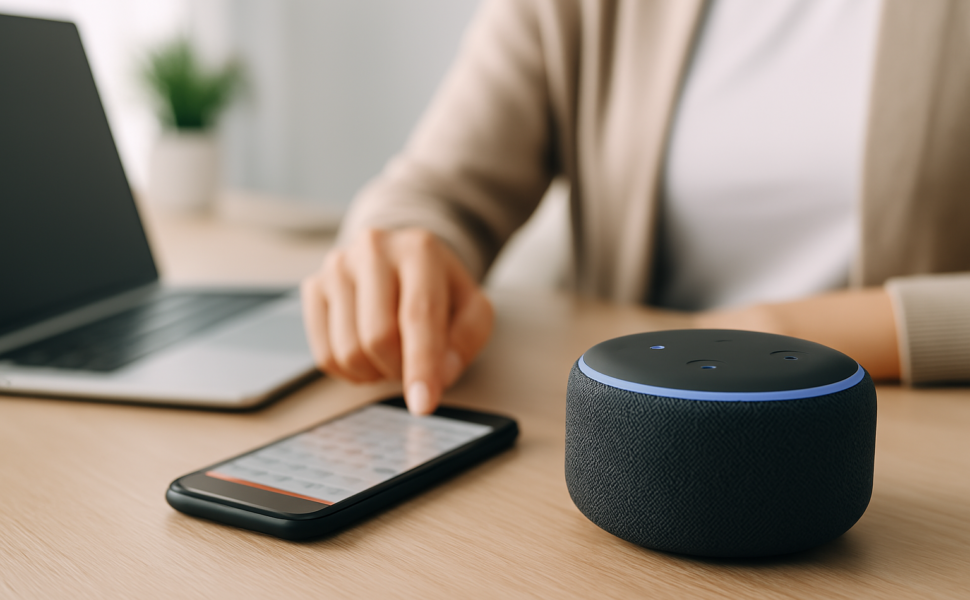



When potential customers call your business, what’s their first experience? A hurried employee juggling multiple tasks? An impersonal voicemail? Or perhaps worse—endless ringing with no answer at all? In today’s competitive marketplace, how you handle incoming calls can make or break your customer relationships before they even begin. That’s where modern virtual receptionists and call automation are changing the game for small businesses everywhere.
The Evolution of Call Handling
Remember the days when having a receptionist was a luxury only larger companies could afford? Those days are firmly behind us. The virtual receptionist has evolved from simple answering services to sophisticated AI-powered assistants that can handle complex interactions, provide information, and even complete transactions—all without requiring you to add another salary to your payroll.
Michael, owner of a Plumbing company, recalls his breaking point: “I was under a sink fixing a leak when my phone rang for the fifth time that hour. I missed the call, lost a potential emergency job worth hundreds of dollars, and realized something had to change.”
The Real Cost of Missed Calls
Before exploring solutions, let’s understand what’s at stake. Research shows that:
- 85% of people whose calls aren’t answered will not call back
- 75% of callers refuse to leave voicemails
- 67% of customers hang up in frustration when they can’t reach a real person
- A single missed call can cost a small business anywhere from $100-$1,000 in lost revenue
For service-based businesses, contractors, retail shops, restaurants, and professional services, these statistics translate to thousands of dollars walking out the door each month.
Types of Virtual Reception Solutions
Not all virtual receptionist solutions are created equal. Understanding the options helps you choose what’s right for your specific business needs:
Traditional Answering Services
Human operators answer calls using your custom script and take messages. While personal, these services are typically limited to business hours and offer minimal integration with your existing systems.
IVR (Interactive Voice Response) Systems
These automated systems use pre-recorded messages and touch-tone navigation. While affordable, the rigidity of these systems often frustrates callers who must navigate through multiple menu options.
AI-Powered Voice Assistants
The newest evolution combines natural language processing with machine learning to create conversational experiences that sound remarkably human. These systems can understand context, answer questions, book appointments, and even process payments.
Jessica Morales, who runs a boutique legal practice, made the switch from a traditional answering service to an AI voice assistant last year. “The difference was immediate. Our after-hours inquiry-to-consultation conversion rate jumped from 15% to 58% because potential clients could get their basic questions answered and schedule consultations right away, rather than waiting for a callback.”
What Can Today’s Virtual Receptionist Do?
Modern AI-powered virtual receptionists go far beyond simply answering phones. They serve as full-fledged front-office assistants that can:
- Answer FAQs: Provide instant answers about your business hours, location, services, and policies
- Schedule Appointments: Access your calendar to book, reschedule, or cancel appointments
- Process Orders: Take food orders, product requests, or service bookings
- Qualify Leads: Ask appropriate questions to determine if a caller is a good fit for your services
- Route Calls: Direct urgent matters to the right team member while handling routine inquiries
- Collect Information: Gather essential details before an appointment or consultation
- Send Confirmations: Automatically email or text appointment details and reminders
- Handle After-Hours Calls: Maintain professional service when your physical location is closed
Small Business Success Stories
Real-world results demonstrate the impact of implementing virtual reception solutions:
Local Restaurant: Pasta Perfecto was missing dozens of takeout orders during their dinner rush when staff was too busy to answer phones. After implementing an AI ordering assistant, they captured 35% more orders and increased their average order value by 22% through consistent upselling of appetizers and desserts.
HVAC Contractor: Cool Comfort Services implemented a virtual receptionist that could explain service options and book appointments. They reduced their cost-per-lead by 67% while booking 40% more service calls in the first three months.
Dental Practice: Bright Smile Dental’s virtual assistant now handles insurance verification questions and appointment scheduling, freeing up front desk staff to provide better in-office patient experiences. Patient satisfaction scores increased by 28%.
Implementation: Easier Than You Think
Many small business owners assume that sophisticated call automation requires technical expertise or significant upfront investment. With modern solutions like Axxent.ai, the reality is much simpler:
- Setup: No coding required—most systems can be configured through user-friendly interfaces
- Training: AI assistants learn your business specifics through simple conversation and documentation
- Integration: Connect with your existing calendar, booking software, or CRM with pre-built connectors
- Customization: Adjust the voice, tone, and conversation flows to match your brand personality
- Launch: Most systems can be up and running within days, not weeks or months
“I was intimidated by the idea of setting up an AI system,” admits florist Elena Gonzalez. “But it was actually easier than setting up my website. Within an afternoon, I had a virtual assistant taking flower orders and managing delivery scheduling, even when I’m busy designing arrangements.”
Cost Comparison: Virtual vs. Human Receptionist
The economics of virtual reception solutions are compelling:
| Expense | Human Receptionist | Virtual AI Receptionist |
|---|---|---|
| Monthly Cost | $2,500-$3,500 | $200-$500 |
| Hours Available | 40 hours/week | 168 hours/week (24/7) |
| Calls Handled Simultaneously | 1 | Unlimited |
| Time Off/Sick Days | Yes | None |
| Training Required | Ongoing | One-time setup |
| Consistency | Variable | 100% consistent |
The ROI becomes even clearer when you consider that virtual receptionists don’t require benefits, never call in sick, and can handle multiple calls simultaneously during peak times.
Choosing the Right Solution for Your Business
Not all businesses have identical needs. Here’s how to determine which virtual reception solution might be right for you:
Best for Service-Based Businesses:
Look for systems with strong appointment scheduling capabilities, integration with your booking software, and the ability to ask qualifying questions specific to your service.
Best for Retail:
Prioritize solutions that can handle product inquiries, process orders, and provide accurate inventory information to callers.
Best for Restaurants:
Focus on systems designed to take orders efficiently, manage reservations, and handle high call volumes during peak dining hours.
Best for Professional Services:
Choose solutions with sophisticated lead qualification, the ability to schedule consultations, and strong information security features.
7 Tips for Maximizing Your Virtual Receptionist
Once you’ve implemented a virtual reception solution, these strategies will help you get the most value:
- Customize the greeting to reflect your brand’s personality and tone
- Regularly review call transcripts to identify common questions you should address
- Update your knowledge base whenever you add new services or change policies
- Create special protocols for your busiest call periods
- Define clear escalation paths for urgent situations
- Use call data to identify peak times and staffing needs
- Collect caller feedback to continuously improve the experience
The Future of Small Business Call Handling
As we look ahead, virtual reception technology continues to advance rapidly. Emerging capabilities include:
- Emotion detection that can recognize caller frustration and adjust responses accordingly
- Deeper integration with business systems for more personalized caller experiences
- Expanded language support for multilingual communities
- Proactive outreach for appointment reminders, review requests, and customer follow-up
These advancements mean that even the smallest businesses can provide enterprise-level phone experiences that build customer loyalty and drive growth.
Conclusion: Never Miss An Opportunity Again
In business, opportunity doesn’t always knock—it calls. With today’s virtual receptionist technology, small businesses no longer have to choose between answering phones and serving in-person customers. By implementing the right call automation solution, you ensure that every caller receives prompt, professional attention while simultaneously freeing your team to focus on delivering exceptional service.
The competitive advantage is clear: businesses that respond promptly and professionally to every inquiry simply win more customers than those that don’t. In 2025, a virtual receptionist isn’t just a convenience—it’s an essential tool for growth-minded small businesses.
Transform Your Call Handling Today
Discover how Axxent’s voice assistants can help your business capture every call, qualify every lead, and book more business—all without adding staff or extending your working hours. Our AI-powered virtual receptionists are designed specifically for small businesses like yours, with no technical expertise required to get started.
Ready to stop missing calls and start growing? Schedule a demonstration to see how our virtual receptionist can transform your business communication.